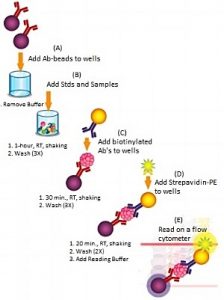
Protein A/G Magnetic Beads are a hybrid of Protein A and Protein G, combining the binding affinities of both proteins to ensure optimal binding to a wide range of IgG subclasses from various species. These magnetic beads are a powerful tool in antibody purification, immunoprecipitation, and protein interaction studies, making them invaluable for modern biological and biochemical research.
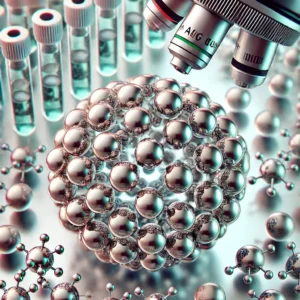
Key Features and Applications
Protein A/G Magnetic Beads have gained popularity in various applications, particularly in immunoprecipitation (IP), where antibodies and their corresponding antigens are captured and isolated from complex biological mixtures. The combination of Protein A and Protein G on the bead surface provides enhanced versatility by binding a broader range of IgG molecules. These beads have been optimized for:
- Immunoprecipitation (IP) and Co-immunoprecipitation (Co-IP): These beads efficiently pull down antibody-bound antigens, enabling researchers to study protein-protein interactions. For more on the role of immunoprecipitation in research, visit NIH.gov .
- Antibody Purification: Their ability to bind antibodies from different species makes them ideal for purifying antibodies from serum, hybridoma supernatants, or ascites. The benefits of antibody purification in clinical diagnostics are extensively documented on PubMed .
- Protein Interaction Studies: Protein A/G Magnetic Beads facilitate the study of protein complexes in biological pathways, such as those involved in cancer progression or immune response. For deeper insights into protein-protein interactions, refer to resources from NCBI .
Enhanced Binding Affinity
The hybrid structure of Protein A/G binds to both Fc regions of antibodies from species such as human, rabbit, mouse, and goat. The interaction between Protein A and G with immunoglobulins has been thoroughly studied and published in various NCBI articles. Research has demonstrated the efficacy of these beads in immunoassays by significantly reducing non-specific binding, thereby yielding cleaner results.
Protein A/G’s affinity for immunoglobulins enables its application across many species, broadening its usability in studies involving animal models, as demonstrated in research supported by NIH .
Advantages of Magnetic Beads over Agarose Beads
Magnetic beads are an excellent alternative to traditional agarose beads, offering several advantages:
- Magnetic Separation: Magnetic beads allow for rapid and efficient separation using a magnetic field, eliminating the need for centrifugation steps that are required with agarose-based protocols. This offers a faster and more efficient workflow, which is especially useful in high-throughput settings. Studies by NCBI have highlighted the advantages of magnetic separation in clinical diagnostics.
- Minimized Sample Loss: Magnetic separation reduces the loss of samples and preserves proteins better than traditional techniques. This is particularly valuable when working with limited or precious samples, as noted in immunoassay protocols provided by FDA.gov .
- Compatibility: These beads can be used in automated systems for high-throughput applications, as described in methodologies documented by NIH .
Application in Immunoassays
In immunoassays, Protein A/G Magnetic Beads are widely used due to their high binding capacity and specificity. They have been successfully used in enzyme-linked immunosorbent assays (ELISA), western blotting, and immunohistochemistry, where the presence of antibodies must be detected in a sample. Research performed by FDA has shown the potential of these beads in improving the sensitivity and specificity of diagnostic assays.
A study available on CDC.gov demonstrated the ability of Protein A/G Magnetic Beads to improve diagnostic outcomes in infectious disease testing, where sensitive detection of antigens is critical. Moreover, the FDA has also published protocols on the use of magnetic beads in immunoassays, which are available on FDA.gov .
Advances in Protein A/G Beads for Clinical Applications
Protein A/G Magnetic Beads are increasingly utilized in clinical settings, particularly for therapeutic antibody development. Their role in purifying therapeutic monoclonal antibodies (mAbs) has been documented in numerous studies, including those supported by the NIH and NCI . As precision medicine advances, the purification of mAbs is becoming more critical in the development of targeted therapies, as emphasized by the research published on NIH .
Additionally, researchers from FDA have found that these beads enhance the efficiency of monoclonal antibody production by allowing faster purification processes without compromising yield or purity.
Conclusion
Protein A/G Magnetic Beads represent a transformative tool for research and clinical applications. Their versatility, enhanced binding capabilities, and convenience of magnetic separation make them invaluable in studying protein-protein interactions, antibody purification, and immunoassays. The growing body of research and validation from NIH , FDA , and CDC emphasizes their potential in both academic and clinical research settings. As technology advances, these beads will continue to play a vital role in streamlining research workflows and improving clinical outcomes.